Major Arcana Tarot Cards: Meanings of the 22 Trumps
The Major Arcana are the big cards of the tarot: 22 pictures numbered 0 to 21 that mark turning points, lessons and the moods of a whole life chapter. When one lands on the table, the reading usually has a center of gravity. Here is what the group stands for, how it behaves in everyday questions and where readers most often go wrong.
What the Major Arcana stand for
The Major Arcana, sometimes called the trumps, are the 22 cards that run from The Fool at 0 to The World at XXI. The other 56 cards of the deck, the Minor Arcana, describe the texture of ordinary situations. The majors describe the size of what you are living through. They name the archetypes behind a situation: the beginner, the teacher, the lover, the hermit, the one whose structure collapses and the one who finally sees the stars again.
Because they speak in themes, majors are less about what happens on a given Tuesday and more about what it means. A job change might be told in minors, with a Page of Pentacles, an Eight of Wands and a Four of Cups. The same job change told in majors might be The Fool, The Chariot and Death: a leap, a drive and an ending. Neither version is wrong. The majors simply lift the camera.
There is no suit and no element for the group as a whole. Instead, the cards are numbered, and the numbering itself carries a story, which is why so many readers learn them in order.
The Fool's journey: the arc from 0 to XXI
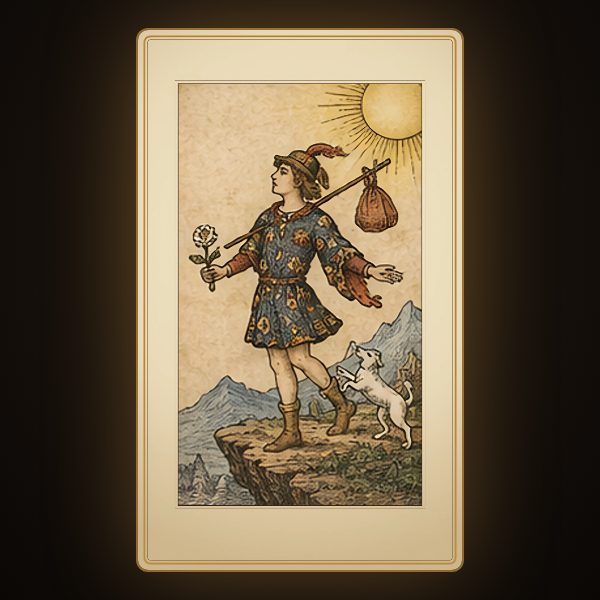
The most popular way to understand the majors is as one story, the Fool's journey. It starts with The Fool stepping off a cliff in trust, and ends with The World, a dancer inside a wreath. In between, the figure meets a series of teachers and trials.
The first stretch, The Magician to The Chariot, is about building a self: will, intuition, nurture, structure, belonging, choice and drive. The middle, from Strength to Temperance, is about being tested and learning balance, with the quiet courage of Strength, the solitude of The Hermit, the turning of the Wheel of Fortune, the consequences of Justice, the surrender of The Hanged Man and the clearing of Death. The final stretch, from The Devil to The World, breaks things open and then gathers them: bondage seen for what it is, The Tower's collapse, The Star's healing, the uncertainty of The Moon, the plain joy of The Sun, the call of Judgement and the completion of The World.
This is a teaching device, not a law, and nobody moves through it in a neat line. But it gives you a place to stand when you ask what stage of a story a card belongs to.
The Major Arcana in love
In love readings, majors tend to speak about the whole shape of a relationship rather than a single event. The Lovers is the clearest example, and it is less about romance than about choice and alignment: do your values and actions match? The Empress asks about nurture and sensuality, the Emperor about stability and boundaries, and The Hierophant about commitment and the expectations of family or tradition.
Harder cards are not verdicts. The Devil in a love reading often points to attachment that has become a habit, a pattern where each person is holding a chain that is looser than it looks. The Tower can name the moment a hidden truth comes up. The Star afterwards is the quiet tenderness that follows.
Because the majors are large, they can make small matters feel dramatic. A single date does not need The Lovers. If one appears, ask whether the question is really about a bigger decision than you thought.
The Major Arcana at work and with money
At work, majors describe the stage of your path. The Magician is the moment you notice your skills and resources are enough to begin. The Emperor is structure, and the Chariot is focused drive toward a goal. Justice appears in contracts, fairness and consequence. The Hanged Man says that a pause may be the wisest move while a decision is not yet ready. Death can be the end of a job, a role or a way of working, and it clears the ground for what follows.
Money is a less natural home for the majors, which tend to talk in values instead of figures. The Wheel of Fortune says that circumstances turn, so do not plan as if they will not. Temperance asks for balance in spending and saving. The Devil is a prompt to look at habits and attachments around money, such as debt, status spending or fear of scarcity. None of these cards is financial advice, and any real money decision belongs with a qualified professional who can see your numbers.
When many Major Arcana appear together
A spread with many majors feels heavy, and it is meant to. A handful of trumps among a dozen cards usually points to a matter that is significant to you, a chapter in motion or a lesson that has been waiting to be learned. If most of the spread is majors, it is worth slowing down and asking what, beneath your specific question, is really being worked on.
Look at their numbers. Majors from the early part of the sequence, such as The Magician, The Empress and The Chariot, suggest a matter that is still being built. Majors from the middle, such as Strength, The Hermit and Justice, suggest testing and review. Majors from the end, such as The Star, The Sun and The World, suggest renewal and completion.
A run of majors does not mean that something huge will happen. It means the cards are describing the question at the scale of a theme. Read it as emphasis, not as an announcement.
Reversed Major Arcana
If you read reversals, a reversed major is usually a theme that is blocked, internalized, delayed or overdone. It tends not to be an opposite. Reversed, The Sun can be a joy that is delayed rather than denied, and The Tower can be a collapse that is being postponed or resisted. A reversed Hermit may be isolation that has gone on too long, and a reversed Star may be a hope you have stopped letting yourself feel.
Several reversed majors together suggest that a theme is stuck and needs attention. The question becomes what is holding the story up, and what would loosen it. Many readers simply read all cards upright, and that is a valid choice, especially for beginners.
Common misreadings of the Major Arcana
Death means a literal death. It almost never does. It names an ending, a transformation and a clearing out. The Tower means disaster, but it is more often a sudden truth or a structure that was never sound. The Devil means evil or a bad person, when it is mostly about attachment and the habits that bind us. The Lovers means a great romance, when it is about choice. The Wheel of Fortune means luck is coming, when it says things turn, in both directions. The Hierophant means religion, when it points to tradition, mentors and shared belief. Judgement means being judged, when it describes a call to take stock and rise.
Another common misreading is to treat a major as a prediction. A card is a picture to think with, not a forecast. When a heavy card appears, the helpful reaction is curiosity and, if the card hits a tender spot, kindness toward yourself.
Every card of the Major Arcana
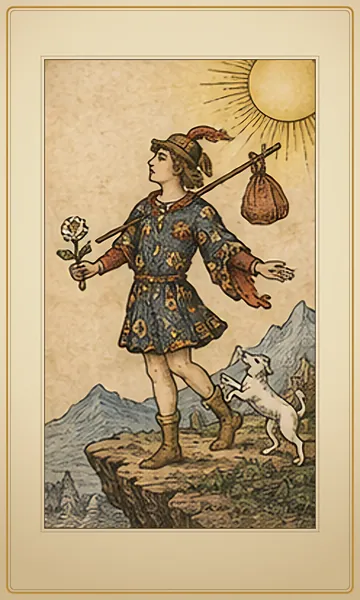 The Foolnew beginnings
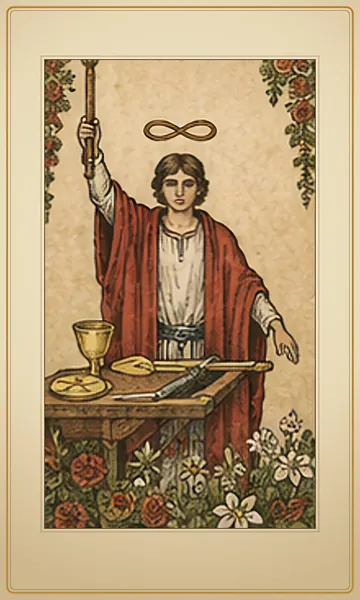 The Magicianwill made real
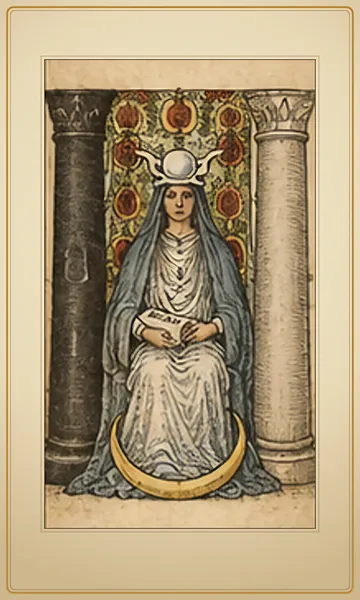 The High Priestesshidden knowing
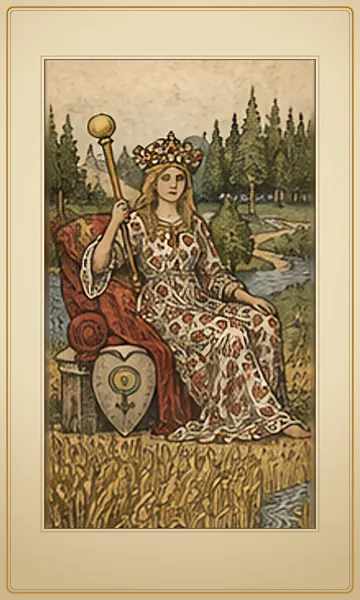 The Empressabundance
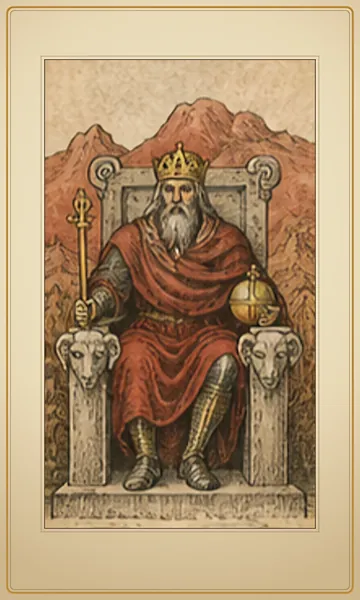 The Emperororder and control
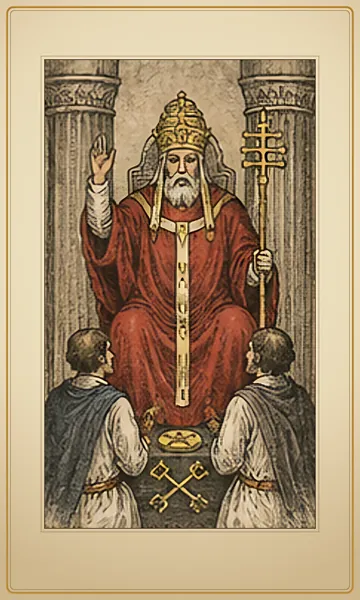 The Hierophanttradition
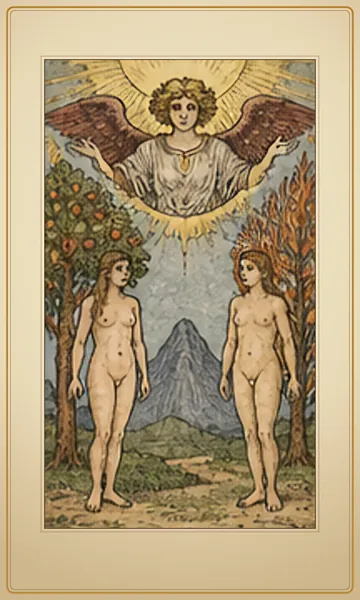 The Loversa choice of the heart
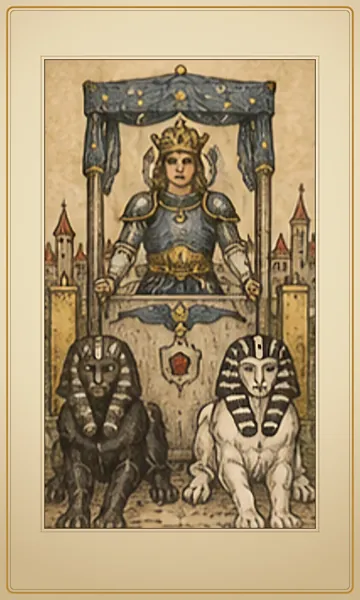 The Chariotforward, by force of will
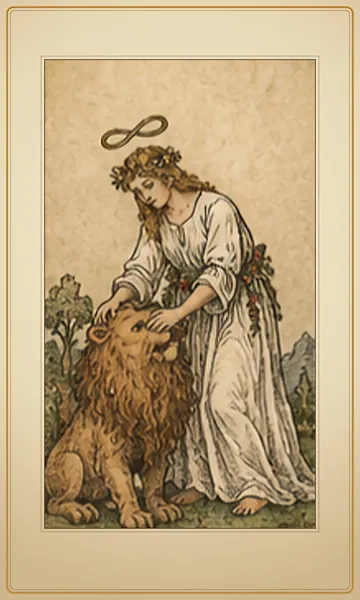 Strengthquiet courage
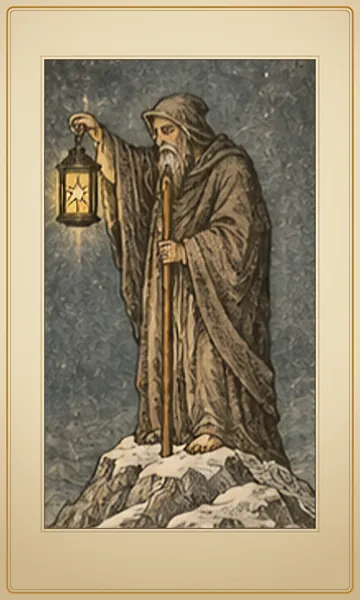 The Hermitsolitude
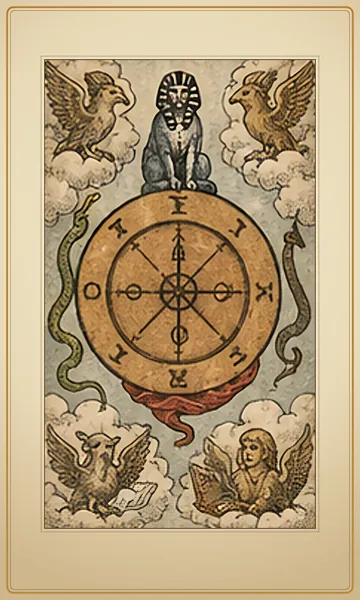 Wheel of Fortuneturning fortune
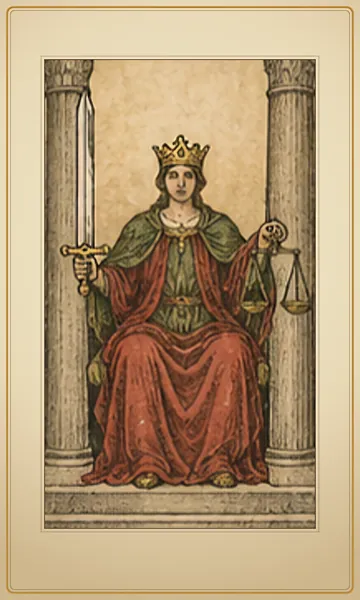 Justiceconsequence
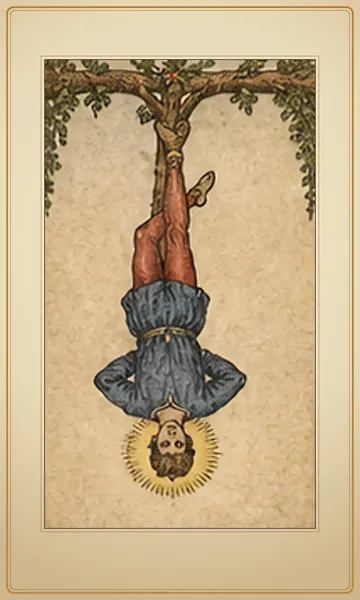 The Hanged Mansurrender
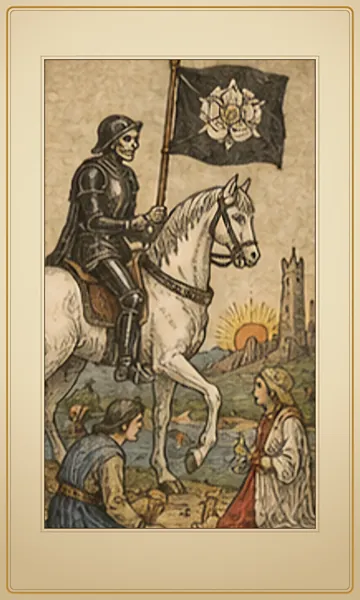 Deathan ending, and what grows after
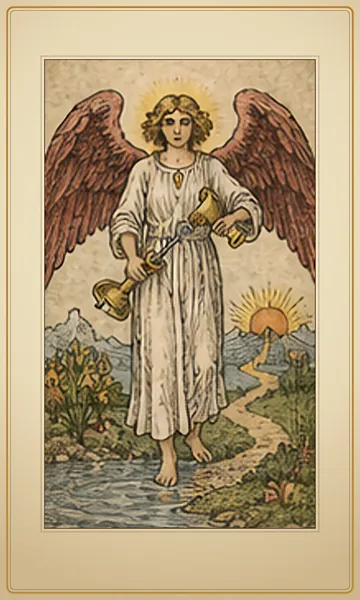 Temperancebalance
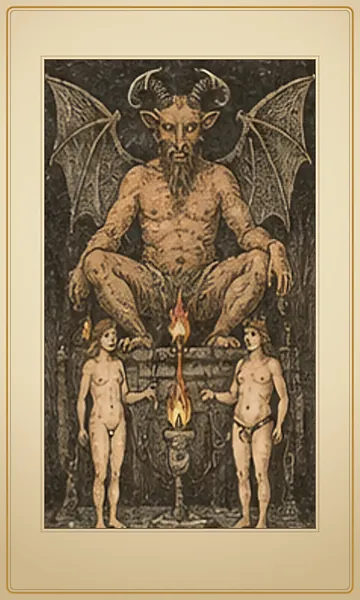 The Devilchains you chose
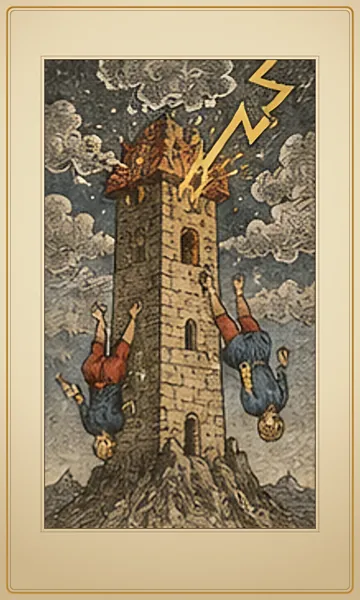 The Towersudden change
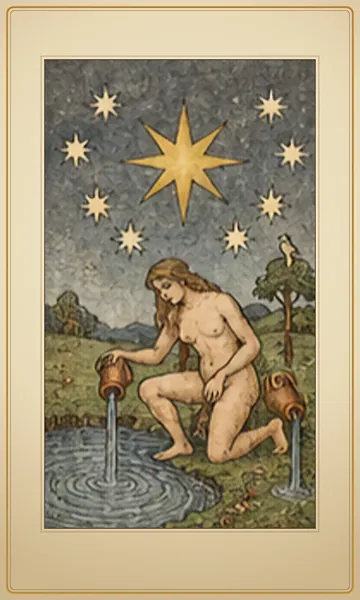 The Starstubborn hope
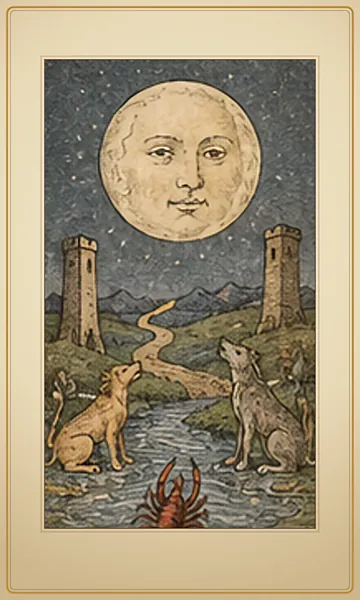 The Moonillusion
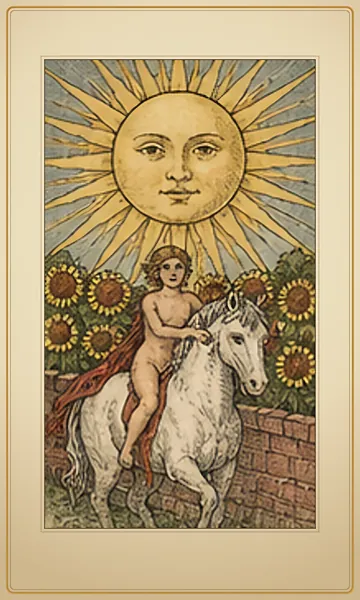 The Sunjoy
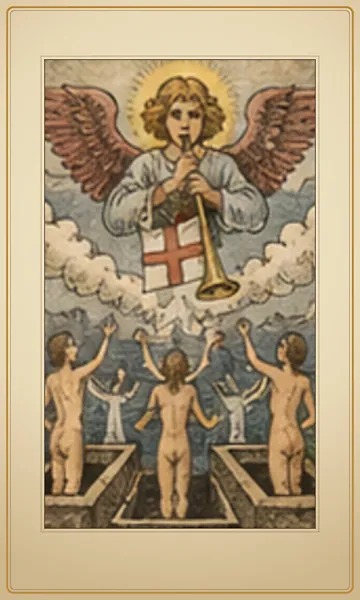 Judgementa reckoning
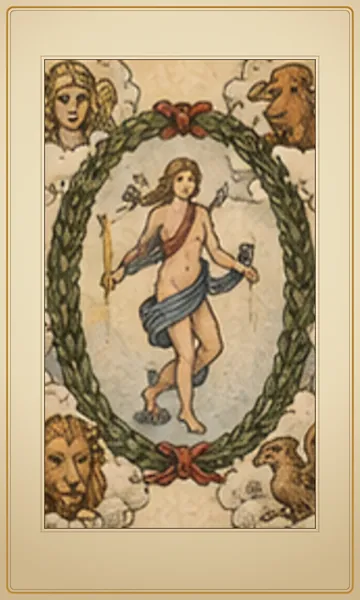 The Worldcompletion
Questions people ask
What are the Major Arcana in tarot?
They are the 22 cards numbered 0 to 21, from The Fool to The World. They represent large life themes, turning points and lessons, as opposed to the 56 Minor Arcana that cover everyday situations.
Does drawing a Major Arcana card mean something important will happen?
It means the question touches something that matters at the level of a theme or lesson. That does not predict an event. Treat it as emphasis and ask what the card is inviting you to understand.
Is the Death card a bad card?
No. Death is rarely literal and usually points to an ending that makes room for something new. It can be uncomfortable, but it is about change and release more than loss alone.
What does it mean if most of my cards are Major Arcana?
It suggests the matter is significant to you or sits within a bigger chapter. Notice where the cards fall in the sequence from 0 to XXI, since early, middle and late cards speak of building, testing and completing.